
The $200,000 Conversation
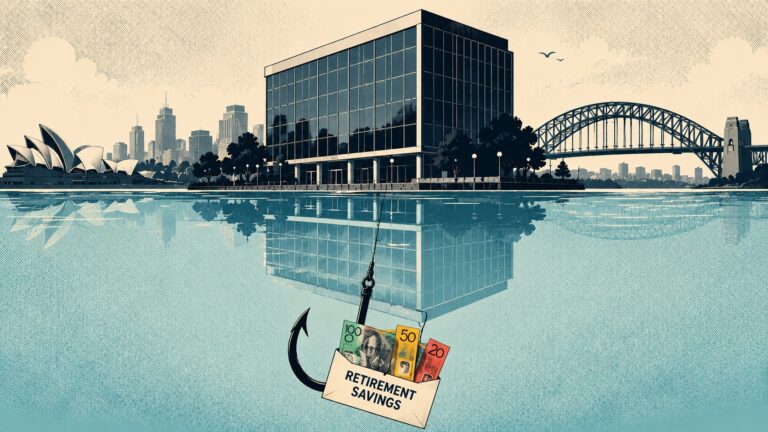
It was a conversation that almost cost a Queensland woman in her 70s everything. Convinced she was helping a man she’d met online, she walked into a NAB branch prepared to transfer $200,000—virtually her entire life savings—to someone she’d never met. Fortunately, a sharp-eyed bank employee recognised the warning signs, slowed the transaction and called in the bank’s fraud specialists to have a chat before the money disappeared forever. When the woman finally realised that she’d been had, she left the bank a little embarrassed but with her savings intact.
Romance scams stole almost $140 million from Australians last year because the crooks are patient, convincing and utterly ruthless. They don’t steal your money first—they earn your trust, then empty your bank account. The happiest ending in this story wasn’t a romance. It was a bank employee unafraid to ask one more question.
Trust Your Instincts
According to new Commonwealth Bank research, almost one in three scam victims suspected something was wrong before going ahead anyway. The study found scammers deliberately exploit urgency, familiarity and emotion to override people’s better judgement.
The advice is refreshingly simple: if something feels off, stop, check and verify before acting. Your instincts have spent decades keeping you out of trouble. They’re usually worth listening to.
High Tea…..At A Price
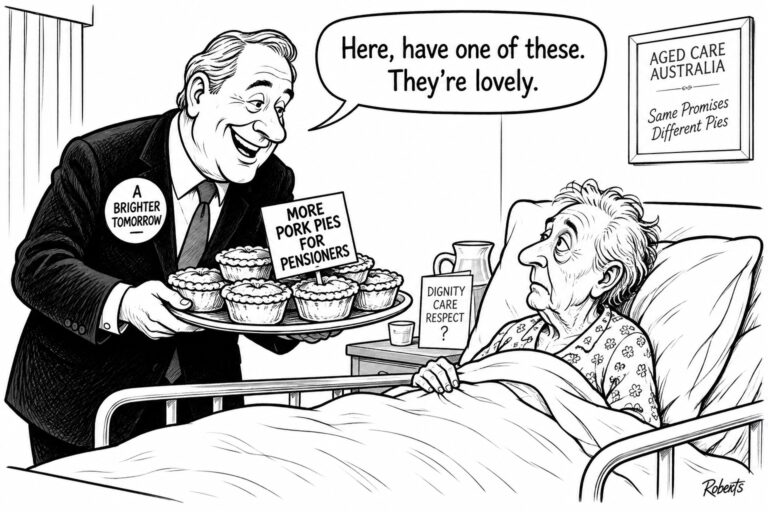
If this doesn’t make your blood boil nothing will. Lawyers have launched a class action against aged care provider, Arcare, alleging residents were charged daily fees for things such as high teas, exercise classes, newspapers, Foxtel and outings that many were unable to use because they were immobile, cognitively impaired or simply too ill.
The allegations are still to be tested and Arcare says it cannot comment while the matter is before the Federal Court. However, if true, charging someone for ballroom dancing when they can’t leave their bed represents an entirely new standard in aged care.
Private Health: A Painful Prescription
Canberra’s plans to reduce the private health insurance rebate for over 65’s has been met with horror and claims that many of the 3,000,000 Australians affected by this will downgrade or abandon private health insurance completely
While Brett Heffernan, CEO of the Private Hospitals Association, is hardly a disinterested party, the following quote is worth considering.
“Last year, those 65 and older accounted for over 2.5 million private hospital admissions. At the same time, waiting lists in public hospitals are 940,000 people deep. Staggeringly, some 20,000 public patients have been waiting longer than the clinical timeframe for their condition.
Emergency Department dysfunction, bed block, waiting lists and taxpayer costs will be worse as a result of this change. Forcing older Australians, who are higher users of high-end hospital care, from private to public hospitals will be devastating for them and the health system.”
His detailed comments shed further light on his side of the argument.
Bachelor of Getting Old
Retirement is becoming so expensive that we’re borrowing ideas from university. A growing chorus of aged care experts is suggesting a HECS-style loan scheme that would let older Australians receive home care or residential care now and pay for it later, either when assets are sold or through their estate. The proposal has been backed by several respected voices in the sector and echoes an idea first floated by former Prime Minister Paul Keating during the Royal Commission into Aged Care.
It’s an odd moment when Australia starts treating growing old like a tertiary qualification. Congratulations. You survived raising a family, paying off a mortgage and working for forty years. Here’s your invoice… payable after graduation from old age.
Confidence Falls Off a Cliff
New research shows only 47 per cent of retirees now believe their savings will last throughout retirement, down from 60 per cent just a year ago. A perceived change in economic conditions appears to have prompted the concern with the biggest worrywarts in South Australia (38 percent).
The trick is to remember that markets and rise and fall and confidence tends to follow in their wake like a loyal Labrador.
In case you missed it…..
AI Gets Better Eyes – Flinders University researchers have developed a vision-enabled AI note taker that could replace the need for a doctor to perform the grunt work of interviewing you and recording your condition. Leaving more time for golf?
A Better Night’s Sleep – The boffins at Flinders are outdoing each other in 2026 with another lot developing a mattress-based sleep monitoring system that could diagnose sleep disorders from the comfort of your own bed. A rare medical breakthrough that doesn’t begin with, “Please fast for twelve hours.”
Needle-Free Future? – Australian and international researchers have taken another step towards room-temperature mRNA vaccine patches that could make vaccines easier to store and distribute worldwide.
The Salty Summary
This week reminds us that retirement is not just about making your savings last. It’s about navigating healthcare costs, questionable practices by aged-care providers, sophisticated scammers and enough paperwork to fill a library of filing cabinets. The good news? Medical science moves forward. The rest of us just have to keep reading the fine print.
Someone had to say it!